
Is Your Cemetery Deed Out of Date? Why Clear Ownership Matters More Than You Think
![[HERO] Is Your Cemetery Deed Out of Date? Why Clear Ownership Matters More Than You Think](https://cdn.marblism.com/q6aLnl3LbEy.webp)
Planning for the future is a quiet act of love. When we take the time to organize our affairs, we aren’t just filling out paperwork; we are creating a path of peace for those we leave behind. It is a way of saying, "I have taken care of this, so you don't have to."
When we think about a legacy, our minds often go to the stories we tell, the values we instill, and the homes we build. But a significant part of that legacy is physical: a place of rest, a memorial space, or a quiet garden where loved ones can gather. Ensuring that these spaces are properly documented is a vital part of proactive planning.
However, one piece of the puzzle that often goes overlooked is the cemetery deed. It is easy to tuck a deed into a folder and forget about it for decades, but an out-of-date deed can lead to unexpected hurdles during a time when your family needs simplicity the most.
Understanding Your Right of Interment
Before we dive into why updating your paperwork is so important, it helps to clarify what a cemetery deed actually is. Unlike the deed to your home, a cemetery deed typically doesn't mean you own a piece of real estate in the traditional sense. Instead, it represents a "right of interment" or a license to use a specific space for a memorial purpose.
Because this is a legal right to use a space, the documentation must be precise. The cemetery needs to know exactly who holds that right to ensure they are following the owner’s wishes. If the ownership is unclear, the cemetery may be legally restricted from allowing a burial or a memorial installation until the paperwork is sorted out through probate or other legal channels.
Why Clear Ownership Matters for Future Planning
Clear ownership is the foundation of legacy planning. When you purchase a cemetery plot or a niche early in life: perhaps around the time of marriage or when starting a family: you are securing a piece of your future. But as life moves forward, our circumstances change.
If your records aren't kept current, the intentions you had when you first secured that space might be difficult to fulfill. We believe that proactive planning should be as routine as updating a will or checking your life insurance. By keeping your memorial assets clearly documented, you ensure that your "address for forever" is ready when the time comes, without any administrative stress for your family.
The Hidden Complexity of Joint Deeds
One of the most common issues we see involves joint deeds. Many couples purchase memorial spaces together, listing both names on the deed to ensure that either person has the right to use or manage the space. This is a wonderful way to plan as a team.
However, if one of the owners passes away, the deed must be updated to reflect the surviving owner’s solo rights. Many people assume that this happens automatically, but in the eyes of the law and the cemetery, the deed may still be tied to the estate of the deceased.
If the surviving owner later decides to sell the plot or transfer it to another family member, they may find themselves stuck. Without an updated deed, they might need to provide death certificates, proof of inheritance, or even go through a lengthy probate process just to prove they have the right to manage their own property. Updating the deed shortly after a spouse’s passing is a gentle way to ensure that the remaining assets are fully under your control.
The Resale Value of Updated Paperwork
At Us After Death, we see many families who have inherited plots they no longer need. Perhaps the family has moved to a different state, or their preferences for memorialization have changed. In these cases, selling the plot on our marketplace is a practical way to unlock the value of an unused asset.
For a smooth transition, having an updated, clear deed is essential. Buyers want the peace of mind that comes with a verified listing. When your paperwork is current, we can help you move through the process quickly, using our escrow-protected transactions and notarized transfers to ensure everything is handled professionally. If the ownership is muddy or the deed is still in a grandparent’s name, the sale can be delayed for months while the legal ownership is untangled.
The Risk of Plot Reclamation
It is also important to be aware that cemetery policies regarding inactive plots can vary. While a deed doesn't necessarily "expire," some cemeteries have the right to reclaim spaces that appear abandoned or have had no contact from the owners for many decades.
By reaching out to the cemetery to update your contact information and confirm your deed is current, you are signaling that the plot is being managed. This simple act of communication protects your investment and ensures that the space remains reserved for your family’s legacy.
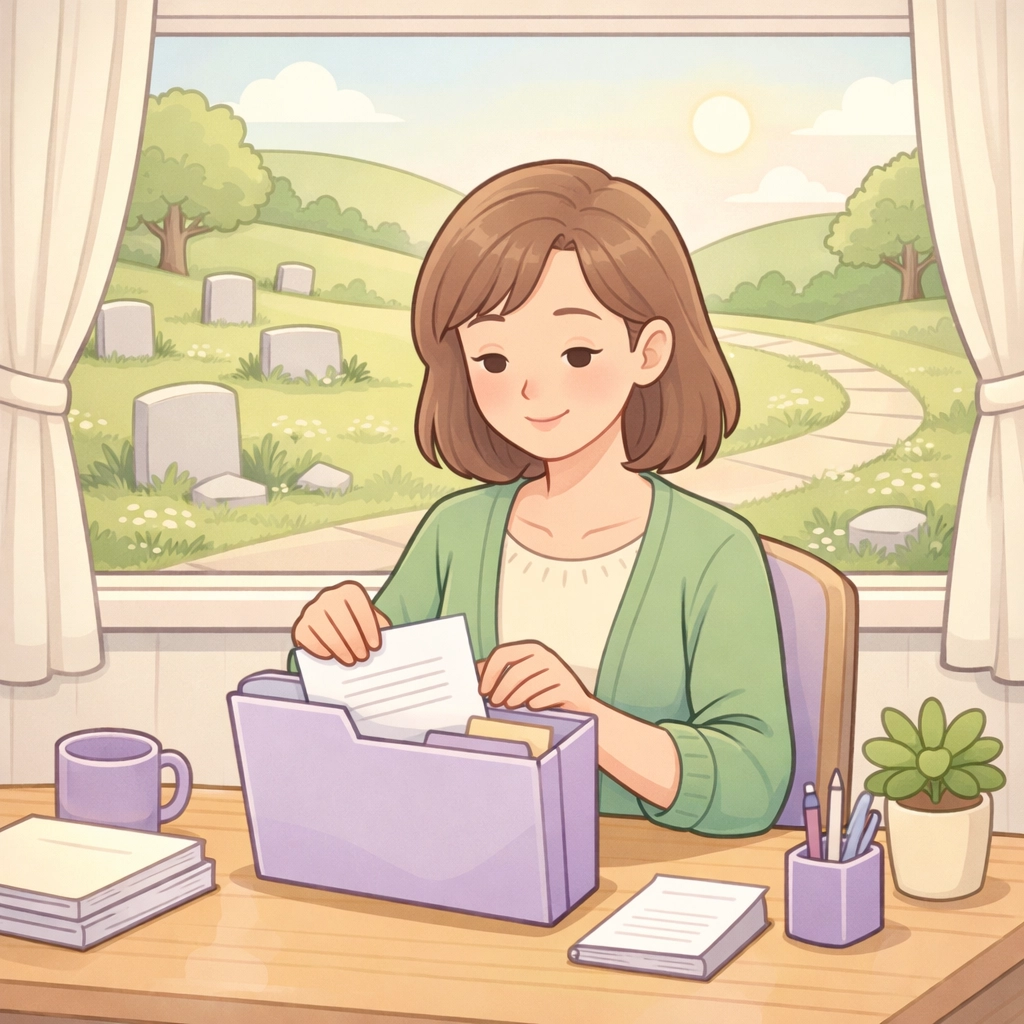
A Step-by-Step Guide to Updating Your Deed
Updating your records doesn't have to be a daunting task. Here is a simple way to approach it:
- Locate your original documents: Find your original deed or certificate of interment. If you can’t find it, don't worry: the cemetery or the local municipality will have a record of it.
- Contact the cemetery office: Reach out to the cemetery where the space is located. Ask them who is currently listed as the owner of record.
- Provide necessary documentation: If you need to remove a name due to a passing, they will likely ask for a certified copy of the death certificate. If you are inheriting the plot, you may need to show proof of your relationship or a copy of the will.
- Request a new deed: Once the cemetery processes the change, ask for a new deed or a letter of confirmation that reflects the current ownership.
- File it safely: Keep a physical copy in your files and consider a digital backup. It’s also a good idea to let your executor or a trusted family member know where these documents are kept.
How Us After Death Supports Your Journey
Our mission at Us After Death is to make the management of memorial assets as secure and easy as possible. We understand that these conversations can feel heavy, which is why we’ve built a marketplace that focuses on transparency and kindness.
Whether you are looking to purchase a companion plot for the first time or you are looking to sell a space that no longer fits your family’s needs, we are here to help. We provide the tools you need: from verified listings to secure transfers: so you can focus on what matters most: honoring the lives of those you love.
Keeping your deeds updated is more than just an administrative chore; it is a way to protect your family’s history. It ensures that when the time comes to make decisions, those decisions are guided by your wishes, clearly documented and ready to be honored.

If you have questions about how to list your plot or if you're curious about the transfer process, we invite you to explore our marketplace. We believe that every legacy deserves a clear address, and we’re honored to help you secure yours.
Page Name (Meta Title): Is Your Cemetery Deed Out of Date? | Us After Death Meta Description: Learn why updating your cemetery deed is a vital part of legacy planning. Ensure clear ownership for future transfers or resale with Us After Death. Meta Keywords: cemetery deed, burial plot ownership, legacy planning, cemetery plot resale, Us After Death, joint deeds, memorial assets, update cemetery records, right of interment.